Know what the service is protecting.
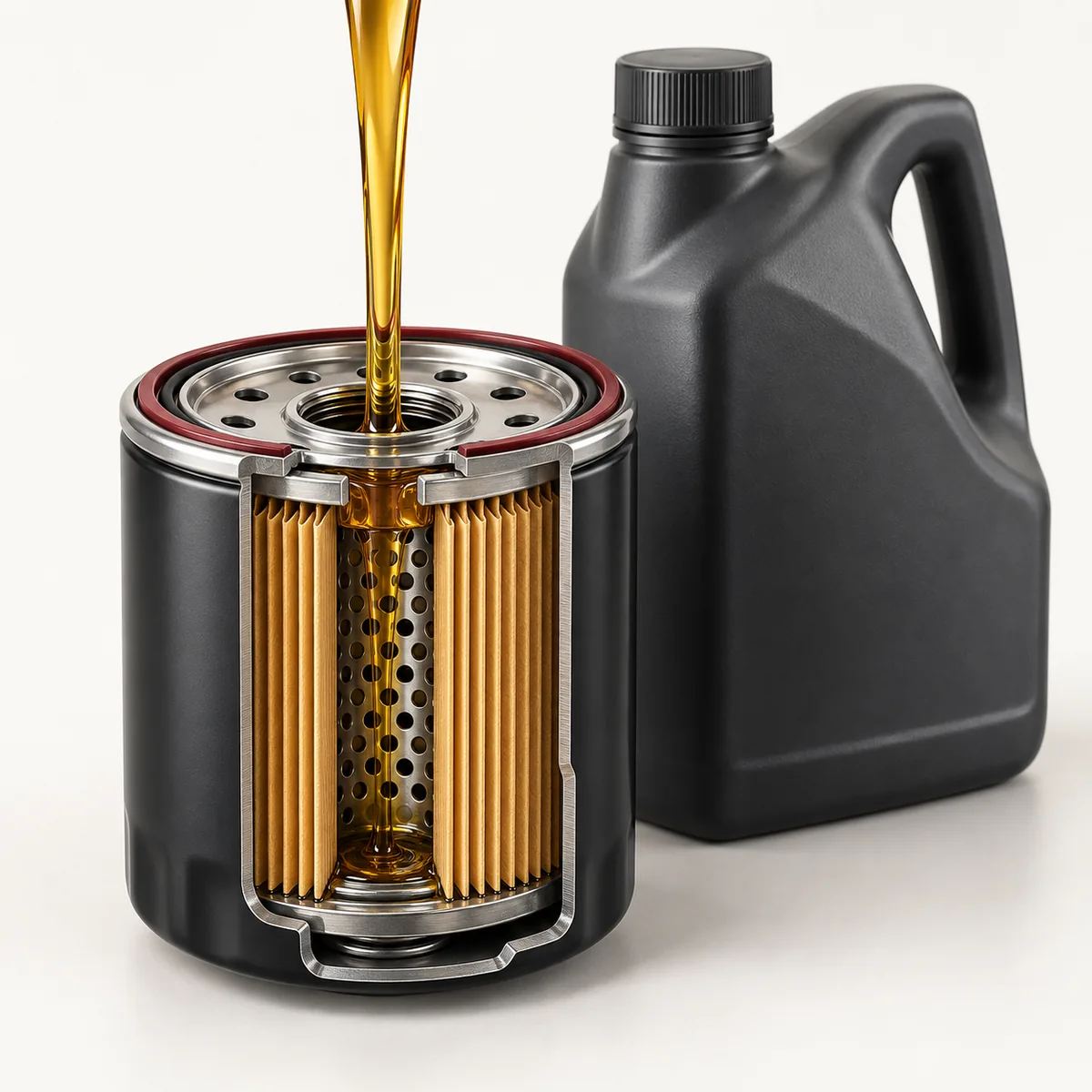
Oil provides lubrication between moving engine components. The filter helps manage abrasive contamination. Correct oil and filter service supports those functions; the specification, quantity, application and timing all matter.
Brake condition checks serve a different purpose. They help establish what is happening to components that wear in use. A documented finding can support assessment and a reasoned work proposal before an issue develops further.
These are different jobs with different triggers. Calling everything a “service” can hide the distinction between scheduled replacement, condition assessment and a separate repair.
The financial case follows the mechanical reason.
When maintenance addresses the actual requirement, it can help limit deterioration associated with inadequate care. An identified concern also gives the business an opportunity to assess its options, confirm parts and arrange suitable work.
That opportunity has value even when the work still needs to be paid for. It can move a decision into a planned window and make the scope clearer. It does not prove that a particular engine failure or expense would otherwise have occurred.
Maintain a necessary function
Use the service that matches the lubrication, filtration or other specified requirement.
Create an informed decision
Record relevant findings so an assessment and any further work has a clear basis.
Plan the surrounding work
Agree access, availability, parts and authorization before the visit where practical.
A realistic plan includes the costs that remain.
Vehicles continue to age. Components wear out. Unexpected faults can occur despite good maintenance. The program should allow for those realities and make the boundary between included service and separately quoted work easy to understand.
The aim is to reduce avoidable cost, rather than spend the maintenance budget as quickly as possible. Review the actual vehicle, relevant manufacturer guidance, service history and operating conditions before setting the plan.
Then record what was done. Without a reliable record, the next person may have to repeat the investigation or make a recommendation with incomplete information. Good records are part of the next maintenance decision.
THE PRACTICAL TAKEAWAYA service earns its place in the plan when you can explain what it protects and why it is due.
Sources & context
Research informs these guides. A recommendation for a real vehicle still needs its applicable guidance and a professional assessment.
Manufacturer guidance on lubrication, filtration, operating conditions and brake checks. General principles; use the current guidance for the actual vehicle.
Manufacturer information on variable brake wear, inspections and concerns needing attention. No universal replacement interval is inferred.