02The business of maintenance
PROTECT THE FLEET.
PROTECT THE DAY.
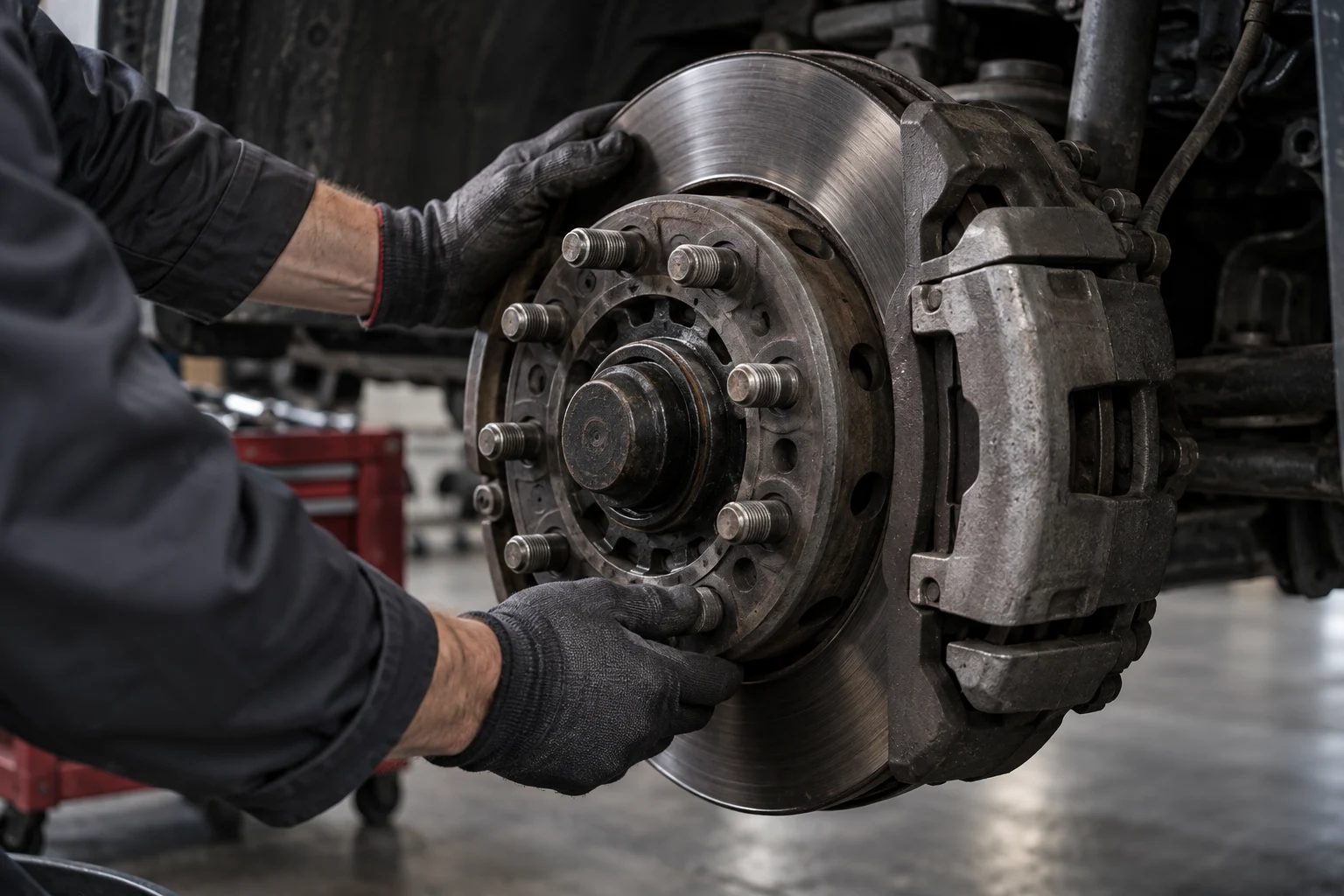
Maintenance protects the vehicles that earn your revenue and the time your crew has to use them. The invoice is only part of the story.
An expense deserves an explanation
PLAN THE WORK.
WATCH THE COST
AROUND IT.
You see the invoice. You also feel the time spent arranging a visit, the vehicle unavailable for a job and the uncertainty about what might need attention next.
Some maintenance costs are necessary. Others grow in the gaps: a missed due point, a finding nobody owns or work repeated because the history is missing.
We look for those gaps before they turn into another bill. Start with the vehicle. Name the work. Coordinate the visit. Record the decision.
of surveyed fleet professionals named rising costs as a top concern.
The pressure is real
FLEET COSTS ARE RISING.
THE DETAILS MATTER.
Fleetio’s 2026 report combines anonymized data from more than 1.2 million vehicles with feedback from 600+ fleet professionals. In that survey, rising costs ranked as the top concern.
Read Fleetio’s source note Industry context: 54.4% is a survey response, not a Canadian price index or a Ready Fleet savings result.How the cost-control cycle works
MAKE THE
GAPS VISIBLE.
Preventive maintenance is more than a date on a calendar. It is a repeatable way to connect the vehicle, the decision, the visit and the record.
Explore the four moves below. Each one leaves a record for the next decision.
Baseline the decision
Know the vehicle before you schedule the work.
A sound plan starts with what the vehicle is, how it works and what its record can actually support.
- Vehicle identity, engine and configuration
- Service history, current reading and open concerns
- Working pattern: trips, idling, load, towing and time
The cycle helps make decisions easier to follow. It cannot prevent every failure, establish a vehicle’s condition or promise a specific saving.
Nine ways to look at the bill
FOLLOW THE MONEY.
THEN FIX THE GAPS.
Short guides for the costs, choices and handoffs behind a maintenance relationship.
The repair bill is only one line.
Follow the work, lost time and disruption behind an unexpected repair.
See the full cost02 / GUIDEDo the small work before it grows.
See how timely service can limit avoidable wear, downtime and rushed decisions.
Read the prevention guide03 / GUIDEMatch the job to the vehicle.
A sound plan avoids both overdue work and work that has no reason to be there.
Find the balance04 / GUIDEThe same fleet does not mean the same schedule.
A delivery van, loaded pickup and spare vehicle each bring different facts to the plan.
Compare the vehicles05 / GUIDEFind the details that let costs repeat.
Missing records, repeat work and stalled approvals all leave a bill behind.
Name the gaps06 / GUIDEGive a concern somewhere to go.
Three short stories about observations, assessment and acting while there is still a choice.
Read the stories07 / GUIDEAsk what the recommendation is based on.
Know the vehicle, the job, the timing and the price before you approve extra work.
Read the questions08 / GUIDECompare the whole arrangement.
Put specifications, labour, travel, documentation and exclusions beside each other.
Use the buying guide09 / GUIDELet the plan learn through the year.
Follow a small business as use changes, work is completed and the next visit is updated.
Walk through the yearStart with what you know
WHERE IS THE
MONEY LEAKING
OUT?
A practical cost review puts the records, unanswered questions and repeated handoffs in one place.
Review your fleet Explore the fleet tools No account needed. Bring the questions you already have.